20 March 2026
Spain’s government on Friday proposed measures worth 5 billion euros ($5.8 billion) to counter the economic impact of the Middle East conflict on local energy prices.
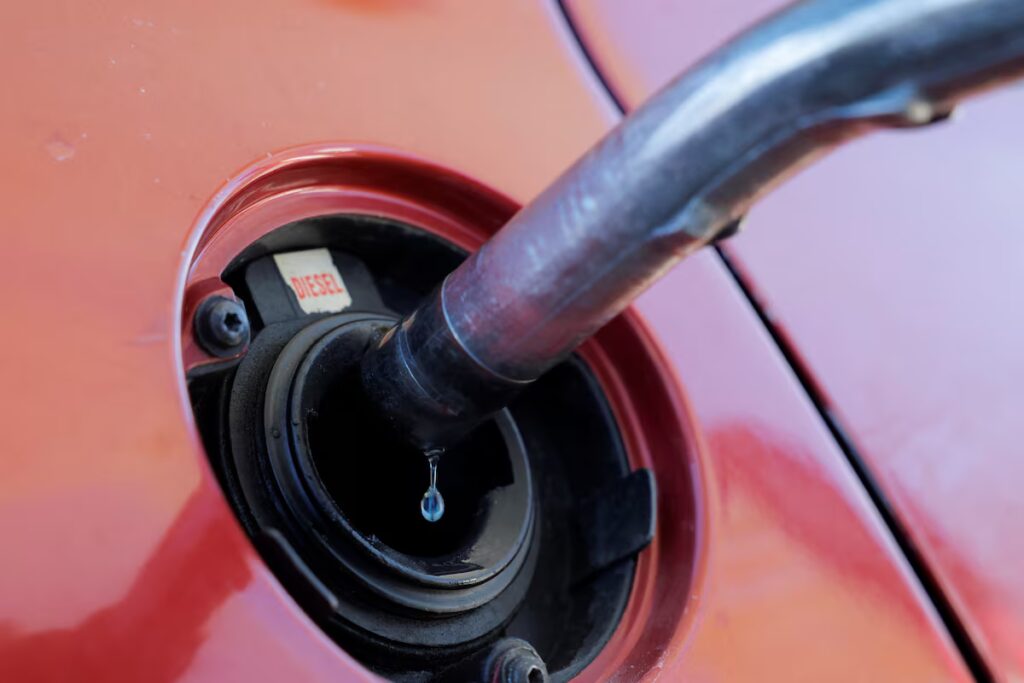
The measures, which require approval from parliament, include the reduction of value-added tax on electricity bills to 10%, cutting fuel prices by up to 30 cents per litre and granting a fuel subsidy of 20 cents per litre for the farming and transport sectors, which are some of the most exposed to the sharp spike in energy prices caused by the war.
Prime Minister Pedro Sanchez, who is among the most vocal critics of the U.S.-Israeli attacks on Iran, said the measures would be in place for as long as necessary but that “no plan can neutralise the misery of this illegal war”.
“These are 5 billion euros that we could be allocating to scholarships, healthcare, and long-term care. I’m very, very angry with the situation,” Sanchez said.
In a sign of growing divisions within the leftist ruling coalition, hard-left coalition partner Sumar had threatened to vote against the measures if they did not also address housing prices.
The cabinet instead separated measures to support renters and vulnerable households into a second package to be put to the lower house next week.
That package, however, is less likely to clear parliament due to opposition from right-wing parties, Sanchez said.
TRANSPORT SECTOR SEES LIMITED IMPACT
Spanish union CCOO urged both packages to be approved, while transport association Fenadismer said the fuel-price cuts would have a limited impact given the magnitude of the energy crisis.
The cuts on fuel would likely mostly benefit larger companies able to increase their profit margins, said economist Manuel Hidalgo, a senior fellow at the Esade Centre, adding the reduction in the electricity tax was more likely to help poorer households.
If approved, the measures will be some of the first to be enacted by governments to cushion the impact of the Middle East conflict for households, which has prompted a spike in oil and gas prices that risks driving up inflation and depressing economic activity in countries reliant on imported fuel.
Italy has temporarily cut excise duties on fuel and Germany is mulling a windfall tax on oil firms to finance subsidies for commuters, though its economy minister warned against knee-jerk reactions to higher pricing.
This article was made by David Lantona, Reuters